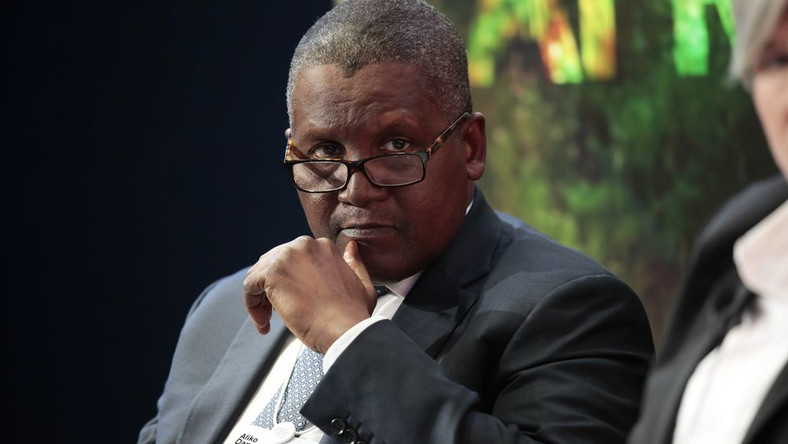


In 2025, Aliko Dangote remains widely recognized as Africa’s most influential business leader, not only because of his wealth, but due to the structural impact his businesses have had on the continent’s industrialization. His trajectory reflects a shift from import dependence toward large-scale local production, a priority shared by many African governments today.
Dangote’s influence is rooted in industrial scale. Through the Dangote Group, he has built dominant positions in cement, sugar, flour, and more recently energy and fertilizers. The launch and ramp-up of the Dangote Refinery has been one of the most closely watched economic developments in Africa, with direct implications for fuel imports, foreign exchange reserves, and regional energy security.
In 2025, the refinery continues to reshape Nigeria’s economic outlook. By reducing reliance on imported refined petroleum products, the project is expected to ease pressure on currency reserves and stabilize domestic fuel supply. Analysts see this as a rare example of private-sector-led industrial transformation in Africa.
Beyond infrastructure, Dangote’s leadership is often cited for its long-term vision. He has consistently reinvested capital into capital-intensive industries that many investors avoided due to risk, regulation, or long payback periods. This approach contrasts with short-term trading models and has positioned his businesses as pillars of national and regional economies.
Dangote’s role extends into policy influence. Governments frequently consult him on industrial strategy, manufacturing policy, and regional trade under frameworks such as the African Continental Free Trade Area. His businesses operate across multiple African countries, reinforcing cross-border integration and supply chains.
However, his dominance also attracts scrutiny. Questions around market concentration, competition, and regulatory balance remain part of the public debate. Supporters argue that scale is necessary for Africa to compete globally, while critics call for stronger safeguards to ensure fair competition.
In 2025, Aliko Dangote’s status as Africa’s most influential business leader reflects more than personal success. It signals a broader shift toward African-led industrial capacity, where large domestic champions play a central role in economic sovereignty, job creation, and long-term development.