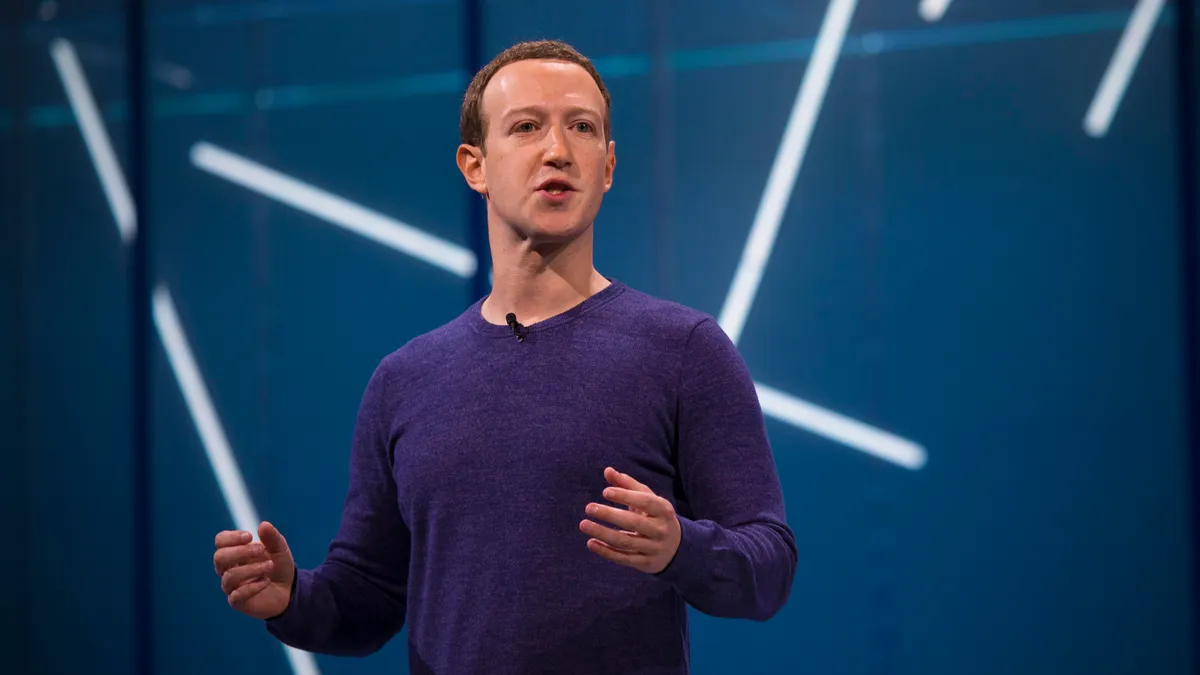

In 2025, Mark Zuckerberg remains among the most closely watched CEOs globally as Meta continues to sit at the crossroads of technology, society, regulation, and artificial intelligence. Few executives operate under such constant scrutiny, where strategic decisions have immediate cultural, political, and economic consequences.
Meta’s central role in AI development is a key reason Zuckerberg stays in the spotlight. Heavy investments in generative AI, open-source models, and AI-driven products across social platforms position Meta as a major force shaping how billions of people communicate, consume content, and interact online. In 2025, Meta’s AI strategy is viewed as both an opportunity driver and a source of regulatory attention.
Social media governance remains another critical factor. Platforms under Meta’s control continue to influence public discourse, elections, and information flows worldwide. Content moderation, misinformation, and platform accountability keep Zuckerberg under pressure from governments, civil society, and users. Each policy shift is closely analyzed for its broader societal impact.
Zuckerberg’s long-term bet on immersive technologies also sustains interest. While the metaverse narrative has evolved since its initial peak, Meta’s investments in virtual and augmented reality continue to signal ambition beyond traditional social media. In 2025, analysts increasingly view these efforts as a multi-decade strategy rather than a short-term product cycle.
Financial performance adds another layer to the attention. After periods of restructuring and cost discipline, Meta’s profitability and revenue growth are closely monitored as indicators of whether large-scale tech reinvention can coexist with shareholder expectations. Markets react quickly to any signal regarding spending, AI returns, or strategic pivots.
Leadership style plays a role as well. Zuckerberg remains a founder-CEO, maintaining strong control over strategic direction. This concentration of power draws both praise and criticism. Supporters argue it enables long-term vision; critics question governance balance and accountability in a company with global influence.
In 2025, Mark Zuckerberg is watched not because of a single product or controversy, but because Meta operates at the center of debates about technology’s role in society. As long as digital platforms shape communication, AI transforms interaction, and regulation lags innovation, Zuckerberg will remain one of the most scrutinized—and consequential—CEOs in the world.