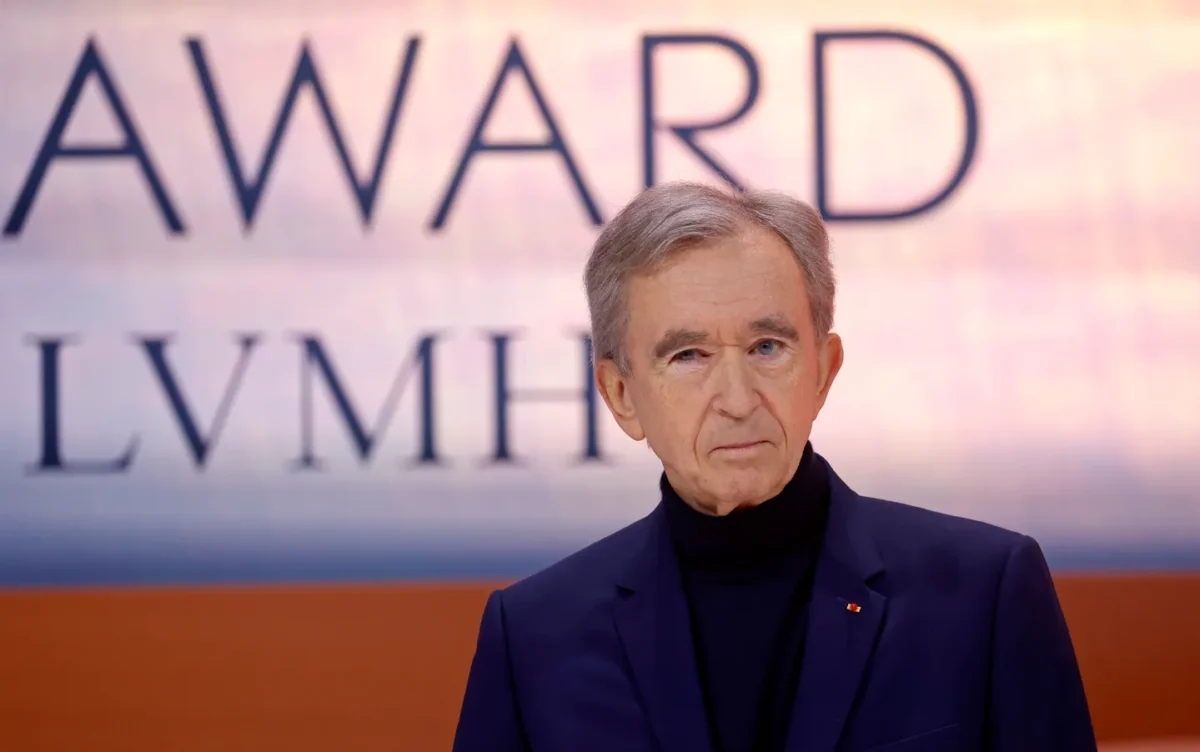

In 2025, Bernard Arnault remains one of the most powerful and closely watched CEOs in the world, embodying a form of luxury leadership that blends heritage, strategy, and global scale. As the architect behind LVMH, the world’s largest luxury group, Arnault has demonstrated that luxury is not only about image, but about disciplined execution and long-term vision.
Arnault’s leadership power lies in his ability to manage creativity at scale. LVMH brings together dozens of iconic brands across fashion, jewelry, cosmetics, wines, and spirits, each with its own identity. Rather than imposing uniformity, Arnault’s strategy preserves brand autonomy while enforcing financial rigor and operational excellence. This balance has become a defining feature of LVMH’s success.
In a global economy marked by uncertainty, the luxury sector has shown remarkable resilience. Under Arnault’s leadership, LVMH continues to benefit from strong demand in Asia, the Middle East, and the United States. High-end consumers remain less sensitive to economic cycles, reinforcing luxury as a strategic hedge against volatility.
Arnault is also known for his long-term investment mindset. Major acquisitions and brand development strategies are evaluated over decades, not quarters. This patience allows LVMH to invest heavily in craftsmanship, retail experience, and brand equity, strengthening barriers to entry in an increasingly competitive global market.
Another key element of his leadership is succession and continuity. Arnault has progressively integrated the next generation into strategic roles, signaling a desire to preserve control and vision over the long term. This approach reassures investors and partners about the group’s stability beyond individual leadership cycles.
Critics often point to concentration of power and market dominance, but supporters argue that Arnault’s model has preserved European luxury leadership in a globalized economy. His influence extends beyond business, shaping cultural trends, employment, and national economic positioning.
In 2025, Bernard Arnault’s power as a CEO comes not from visibility or disruption, but from mastery of time, brand, and scale. His leadership illustrates how luxury, when managed strategically, becomes one of the most durable and profitable business models in the global economy.