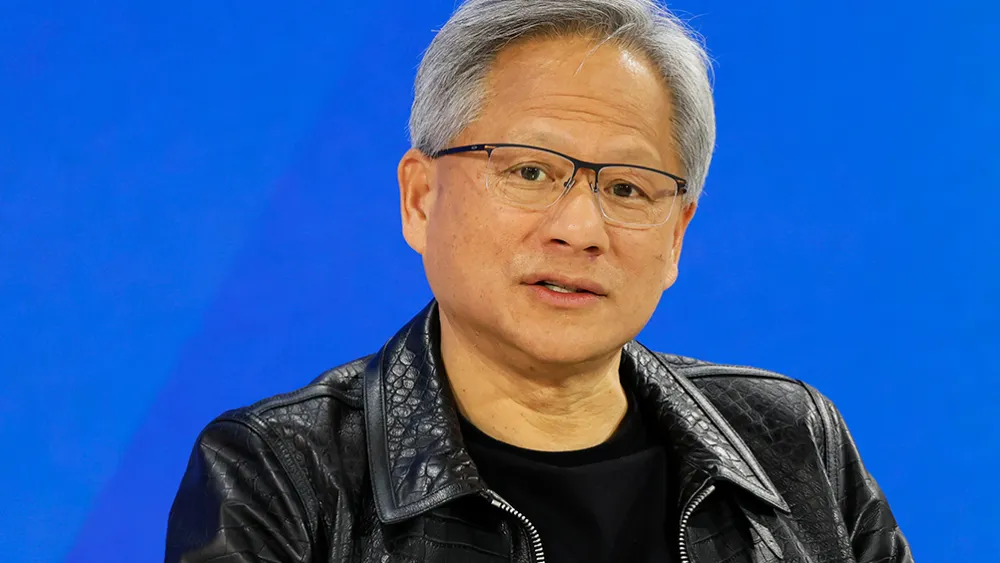

In 2025, Jensen Huang has become one of the most talked-about CEOs in the world, as Nvidia sits at the center of the global AI and semiconductor race. His dominance in tech headlines reflects not just company performance, but a strategic position that few leaders currently occupy: controlling the infrastructure powering the AI economy.
Nvidia’s chips remain critical to artificial intelligence development, from generative AI and large language models to autonomous systems and data centers. As governments, corporations, and research institutions accelerate AI adoption, demand for Nvidia’s GPUs continues to outpace supply. This has placed the company—and Huang personally—at the heart of discussions on technological sovereignty, supply chains, and global competition.
Markets closely follow Huang’s statements, as Nvidia’s outlook increasingly influences the broader tech sector. In 2025, Nvidia’s valuation and revenue growth are frequently cited as indicators of the health of the AI ecosystem. Analysts note that few companies hold such a strategic bottleneck in a technology that is reshaping productivity, defense, healthcare, and finance.
Jensen Huang’s leadership style also draws attention. Known for long-term vision and technical depth, he positioned Nvidia early as an AI-first company, years before the current boom. That foresight is now viewed as a defining strategic advantage, reinforcing his reputation as a CEO who anticipated structural change rather than reacting to it.
Beyond business, Huang is now part of global policy conversations. Governments engage with Nvidia on issues related to export controls, AI regulation, and national competitiveness. This places the company in a sensitive position, balancing innovation, compliance, and geopolitical pressures—another reason Huang remains in the headlines.
In 2025, Jensen Huang dominates global tech news because Nvidia is no longer just a chipmaker. It is foundational infrastructure for the AI era. As long as artificial intelligence remains the defining technological shift of this decade, Huang’s role—and influence—will continue to shape global tech narratives.